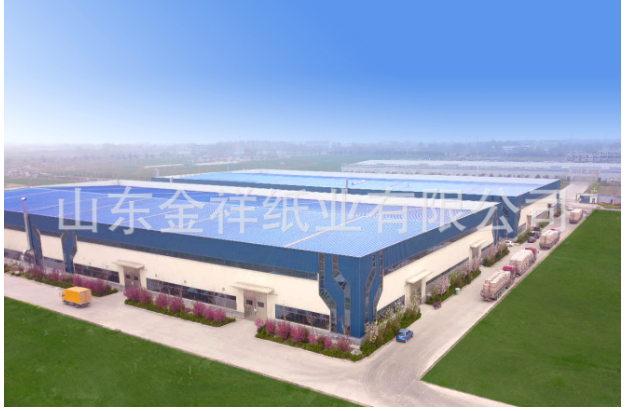
Production quality begins before the machine runs
For custom paper packaging, the most useful production reference is the agreed combination of application, dimensions, materials, artwork and acceptance requirements. A factory tour does not replace a controlled project specification.
Company materials describe paper coating, flexographic printing, slitting and bag production among the manufacturing activities. Which stages and tests apply to a specific order must be confirmed with the factory.
A practical project route
| Stage | Inputs to agree | Buyer-visible output |
|---|---|---|
| 01. Requirement review | Application, material structure, bag/roll geometry, destination market | Written requirement list and outstanding questions |
| 02. Drawing and print approval | Dimensions, tolerances, colors, repeat layout and print position | Approved artwork and production reference |
| 03. Material approval | Paper grade, gsm, coating design and other components | Approved construction or sample |
| 04. Coating / printing / converting | Applicable processing route and approved settings | Product made against controlled reference |
| 05. Inspection and sample checks | Dimensions, print, seam/handle, winding and application-specific criteria | Inspection record appropriate to the agreed order |
| 06. Packing and shipment | Cartons, roll protection, traceability, labels, destination | Packing specification and shipping documentation |
Paper coating, printing and bag converting
Coating requirements should be tied to the intended barrier and subsequent forming behavior. A printing approval should specify visual references and what happens where artwork crosses folds or gussets. Bag converting quality may depend on dimensional accuracy, adhesive/seam condition and the expected handling load.
The exact line, equipment capacity and test method should be confirmed before publishing project-specific capabilities; no universal MOQ or production speed is assumed.
Sample and change control
When a buyer changes paper grammage, bag dimensions, artwork, coating or packing quantity, the change may affect the quote, lead time and accepted sample. For repeat purchasing, preserve a revision log and ask what needs reapproval. These are procurement safeguards rather than a claim about a particular factory’s documented systems.
- Specify which parameters are critical versus negotiable.
- Agree who approves artwork, measurements and physical samples.
- Request documents with an identifiable product, lot or certification scope.
- Clarify post-approval change requests and packing arrangements.
Factory overview ↗ · Quality and certification evidence ↗ · Customization workflow ↗
Prepare a useful sourcing brief
A clear inquiry gives a supplier the intended use, format, material and testing questions—not just a target price. Include your destination market, drawing or sample, print design, order forecast and acceptance criteria.
Build a local RFQ worksheet ↗ · Review quality documentation ↗