MADE WITH PURPOSE · DEVELOPED FOR YOUR BRAND · SHANDONG, CHINA
Jinxiang.PAPER STUDIO & MANUFACTURING Prepare an RFQ
← ALL PRODUCTS / COLLECTION

Transportation Paper Bags for Airlines & Rail

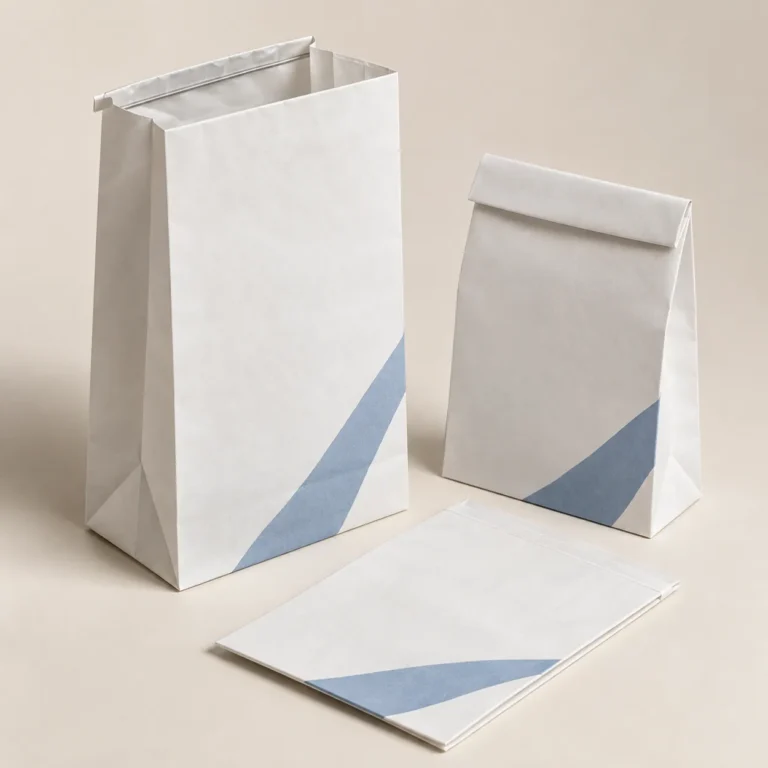
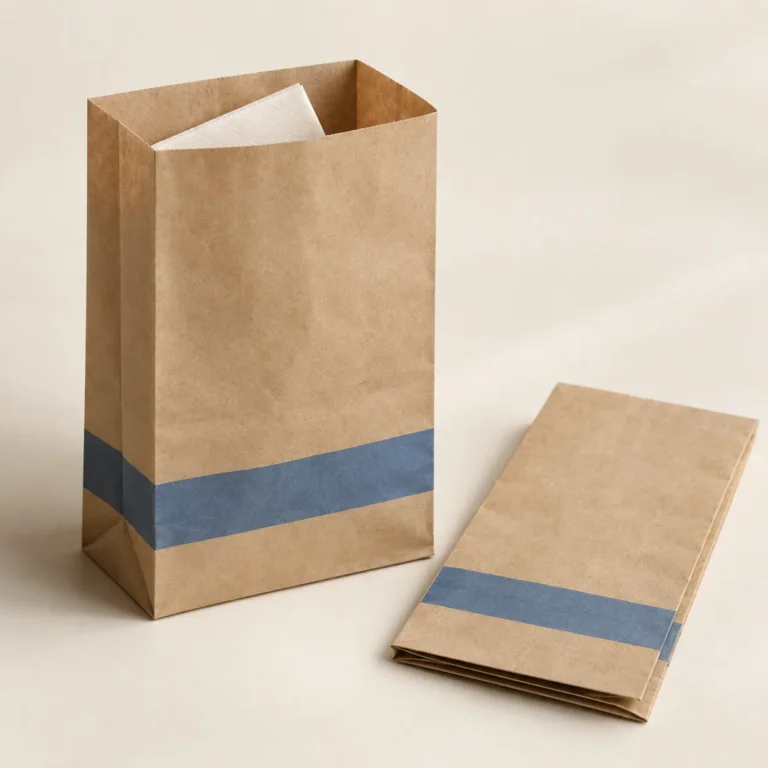
Paper airsickness bag and rail or coach dry-waste bag concepts for transport procurement teams, with application-specific lining and performance requirements.

Paper bags for passenger transport supply chains

Transport consumables need a practical balance of compact storage, easy use and controlled supply-chain replenishment. Jinxiang’s portfolio includes airline airsickness bag concepts and dry-waste bag concepts for rail and coach operators.

Different bags, different performance

An airsickness bag may require a carefully tested barrier-lined construction and closure to meet a purchaser’s fluid-containment specification. A train or coach dry-waste bag may have different material, size and load requirements. The two categories should not be presented as interchangeable.

Send us your buyer specification

  • Open and folded dimensions, gussets and bottom geometry
  • Intended volume, dry load or fluid test acceptance criteria
  • Printing, warning instructions, languages and numbering
  • Packing quantity, delivery schedule and destination
  • Any inspection and procurement documentation requirements

Performance and production options are subject to manufacturing confirmation and sample evaluation.
TRANSPORT / PRODUCTS

Explore our product range

Choose a paper packaging format to review materials, specification considerations and the questions to include in your buyer brief.

All product images are illustrative, with final details confirmed by technical review and samples.

Read our quality documents ↗
PASSENGER TRANSPORT PROCUREMENT

Specify cabin and passenger-service bags by actual use.

Passenger supply teams purchase bags under different requirements. An airsickness bag may have a defined containment brief, while rail and coach bags may be intended only for dry waste and compact storage. The labels alone do not define tested performance.

Selection pointAirsickness bagTrain or coach waste bag
Typical taskUser access and defined containment targetDry waste, onboard tidiness and disposal
Fit and handlingFolded form and airline seat pocketPocket, service cart and station replenishment
Construction questionsLining, seams, closure, fill levelPaper strength, opening design, dry-load behavior
PrintingInstructions, languages, airline brandOperator identity, disposal and usage guidance
Approval evidenceFinished-bag trial under agreed medium/timeDry-load or other specifically agreed acceptance test

Do not assume one product test covers every assembled bag

A material barrier test or image of a coated paper bag cannot by itself demonstrate that a complete, folded or closed bag meets a liquid-containment requirement. Buyers should provide the expected contents, volume, hold duration and closure method, then agree final-bag inspection and sampling. For dry-waste transport bags, liquid use requires a separate specification and validation.

  • Provide folded and open dimensions, gusset, finished thickness and required packing quantity.
  • Clarify cabin language, printed warnings and customer-supplied artwork revisions.
  • Define acceptable seam quality, closure features and a separately agreed leakage test if relevant.
  • Document delivery cadence, carton labeling, service-site distribution and sample retention.

Frequently asked purchasing questions

Are airsickness bags and rail waste bags interchangeable?

No. The intended contents, required lining and acceptance tests may be very different.

Can a paper airsickness bag be described as leakproof?

Only when the finished construction passes a defined test under the conditions supporting that claim.

What should an airline sourcing team send in an RFQ?

Folded dimensions, use case, closure, test criteria, print files, projected use and packing requirements.

FROM GUIDANCE TO SOURCING

Check the evidence behind your purchasing brief.

Use the application guides and material comparisons below to assemble a testable specification. All production feasibility, certifications and final product requirements need written confirmation.