MADE WITH PURPOSE · DEVELOPED FOR YOUR BRAND · SHANDONG, CHINA
Jinxiang.PAPER STUDIO & MANUFACTURING Prepare an RFQ
PAPER PACKAGING / BUYER RESOURCES

Paper Bag Manufacturing Process: From Specification to Shipment

Understand a specification-led paper packaging manufacturing route including material checks, flexographic artwork approval, converting, quality inspection and export packing.

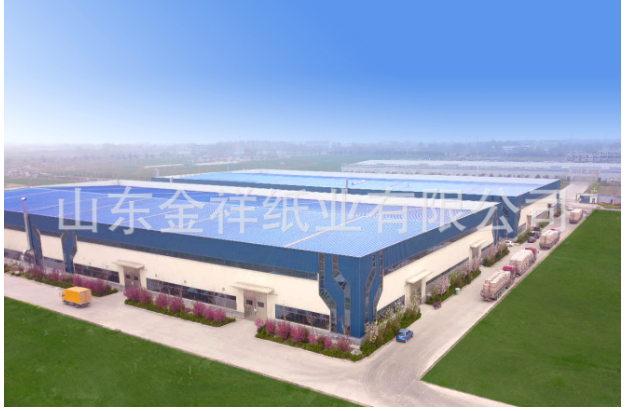
Paper Bag Manufacturing Process: From Specification to Shipment — factory image supplied in company documents
Factory image from supplied company materials; process and capacity details need independent confirmation.

Production quality begins before the machine runs

For custom paper packaging, the most useful production reference is the agreed combination of application, dimensions, materials, artwork and acceptance requirements. A factory tour does not replace a controlled project specification.

Company materials describe paper coating, flexographic printing, slitting and bag production among the manufacturing activities. Which stages and tests apply to a specific order must be confirmed with the factory.

A practical project route

Stage Inputs to agree Buyer-visible output
01. Requirement review Application, material structure, bag/roll geometry, destination market Written requirement list and outstanding questions
02. Drawing and print approval Dimensions, tolerances, colors, repeat layout and print position Approved artwork and production reference
03. Material approval Paper grade, gsm, coating design and other components Approved construction or sample
04. Coating / printing / converting Applicable processing route and approved settings Product made against controlled reference
05. Inspection and sample checks Dimensions, print, seam/handle, winding and application-specific criteria Inspection record appropriate to the agreed order
06. Packing and shipment Cartons, roll protection, traceability, labels, destination Packing specification and shipping documentation

Paper coating, printing and bag converting

Coating requirements should be tied to the intended barrier and subsequent forming behavior. A printing approval should specify visual references and what happens where artwork crosses folds or gussets. Bag converting quality may depend on dimensional accuracy, adhesive/seam condition and the expected handling load.

The exact line, equipment capacity and test method should be confirmed before publishing project-specific capabilities; no universal MOQ or production speed is assumed.

Sample and change control

When a buyer changes paper grammage, bag dimensions, artwork, coating or packing quantity, the change may affect the quote, lead time and accepted sample. For repeat purchasing, preserve a revision log and ask what needs reapproval. These are procurement safeguards rather than a claim about a particular factory’s documented systems.

  • Specify which parameters are critical versus negotiable.
  • Agree who approves artwork, measurements and physical samples.
  • Request documents with an identifiable product, lot or certification scope.
  • Clarify post-approval change requests and packing arrangements.

Factory overview ↗ · Quality and certification evidence ↗ · Customization workflow ↗

Prepare a useful sourcing brief

A clear inquiry gives a supplier the intended use, format, material and testing questions—not just a target price. Include your destination market, drawing or sample, print design, order forecast and acceptance criteria.

Build a local RFQ worksheet ↗ · Review quality documentation ↗

MANUFACTURING / SPECIFICATION-LED WORKFLOW

What happens between an RFQ and an approved product?

The steps below explain a practical procurement and production review. They are not an assertion that every operation or inspection method is available for every product. The exact process route must be agreed with the factory.

01
Buyer brief

Define the product

Application, contact conditions, dimensions, forecast and destination market

Ask to verifyConfirm a written RFQ and outstanding technical questions
02
Material review

Choose the paper structure

Base paper grade, gsm, coatings, printed/contact side and intended barrier

Ask to verifyRequest construction-specific evidence and an approved reference
03
Preproduction

Prepare artwork and trial

Water-based flexographic printing is described in company materials; suitability depends on ink and the proposed job

Ask to verifyRequest print proof, color reference and relevant samples
04
Converting

Convert to the required format

Slitting and paper-bag production are described in company materials; processes differ by finished product

Ask to verifyValidate dimensions, folds, seams, handles or roll winding on a sample
05
Acceptance

Agree inspection and packing

The buyer and factory should agree the product-specific quality checks, labels, packaging and shipping terms

Ask to verifyRequest an inspection plan and order-specific packing specification

For finished paper bags

Evaluate the real packed contents, bag geometry, printing, seams, folded structure and any specified carrying or containment tests.

Foodservice bag range ↗ Transport bag range ↗

For PE-coated paper rolls

Separate base-paper gsm and PE coat weight; check core, winding, roll width, splices and the actual converting machinery before full-scale orders.

Coated paper materials ↗ Converter technical guide ↗
WHAT THE COMPANY MATERIALS SHOW

Evidence from the supplied factory profile

The profile includes photographs of the entrance, workshop equipment, converting activity and storage areas. It also describes coating, water-based flexographic printing, slitting and bag making. These provide context, not independently verified proof of capacity or every available machine.

WHAT THE BUYER SHOULD REQUEST

Evidence for a specific order

Request current site or line photographs where relevant, sample results, accepted artwork and drawings, a defined inspection method, traceable documentation and written confirmation of what is produced at the quoted facility.