MADE WITH PURPOSE · DEVELOPED FOR YOUR BRAND · SHANDONG, CHINA
Jinxiang.PAPER STUDIO & MANUFACTURING Prepare an RFQ
← ALL PRODUCTS / COLLECTION

PE-Coated Paper Rolls & Packaging Materials

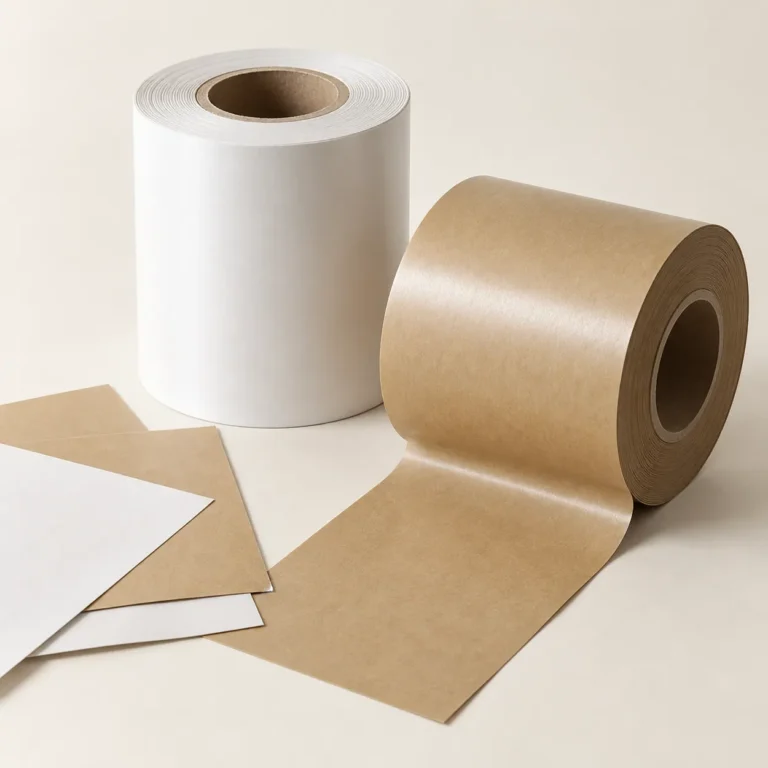
PE-coated kraft and white paper rolls and sheets for packaging converters: coating structure, roll dimensions and machine compatibility to be confirmed.

Coated-paper material for packaging converters

Converters and paper bag manufacturers often need rollstock defined by base paper, coating formulation and final process requirements, rather than a generic product name. Jinxiang’s materials portfolio includes PE-coated paper roll and sheet concepts.

Parameters to specify

  • White or kraft base paper and its grammage
  • Polyethylene coating weight, grade and coated sides
  • Roll width, winding direction, core ID and maximum roll outside diameter
  • Seal, adhesion, fold, print and barrier requirements
  • Target converting equipment, monthly volume and shipping terms

Compliance and material language

PE-coated paper contains a polyethylene plastic layer. Claims about recyclability, compostability or suitability for a particular food-contact jurisdiction require product-specific evidence and confirmation. The existing laboratory report covers one nominated 70 g/m² white kraft PE-coated sample, not all possible materials.
MATERIALS / PRODUCTS

Explore our product range

Choose a paper packaging format to review materials, specification considerations and the questions to include in your buyer brief.

All product images are illustrative, with final details confirmed by technical review and samples.

Read our quality documents ↗
PAPER CONVERTING MATERIALS

Buy PE-coated rollstock against the converting process.

PE-coated paper should be qualified as a material input rather than selected only by appearance. Base-paper properties, polymer coating, side orientation, roll geometry and downstream machine conditions all affect the buyer’s acceptance criteria.

ParameterWhat to describeTypical validation question
Base paperKraft or white paper, grade, gsm, strengthWill it handle the intended folding, cutting or printing?
PE coatingCoated side, polymer grade, coat weightWhat barrier or sealing behavior must be demonstrated?
Roll geometryWidth, core ID, outer diameter, winding directionCan the web be fed and unwound on the actual converter?
ConversionMachine type, speed range, seal and print requirementsDo trial rolls work under approved conditions?
Quality & deliverySplice allowance, labels, packing, storageWhat variation may be accepted in repeated lots?

Distinguish paper, coating and finished-package evidence

The previously supplied laboratory record relates to a nominated 70 gsm white kraft PE-coated paper sample; it cannot substantiate every coated roll or all converted bags. The PE layer is a plastic component, so recycled, plastic-free, compostable or destination-specific food-contact claims must not be inferred without relevant documentation for the exact material and use.

  • Identify base-paper gsm separately from PE coat weight and specify measurement tolerances.
  • Provide converter settings or trial requirements for winding, adhesion, blocking and heat sealing.
  • Check paper and PE coated sides, printed-surface orientation and migration evidence where relevant.
  • Approve a machine trial and define traceability, storage, pallet protection and re-order consistency.

Frequently asked purchasing questions

Does PE-coated paper mean plastic-free?

No. It contains a polyethylene layer. Plastic-free claims would be incorrect for a PE-coated construction.

Is one food-contact test report enough for every coated roll?

No. The scope, test conditions, material variant and destination regulations must match the actual item.

What is the most important first step for a converter?

Share the machine, desired roll geometry, material structure and the trial/acceptance criteria before mass procurement.

FROM GUIDANCE TO SOURCING

Check the evidence behind your purchasing brief.

Use the application guides and material comparisons below to assemble a testable specification. All production feasibility, certifications and final product requirements need written confirmation.